Sustainable and green real estate practices have gained prominence in recent years due to increasing environmental concerns and the need for energy efficiency. These practices aim to create environmentally responsible, resource-efficient, and healthy buildings and communities. Sustainable real estate incorporates various strategies, including the use of eco-friendly building materials, energy-efficient design, water conservation techniques, and sustainable landscaping.
Green real estate practices also emphasize the utilization of renewable energy sources, waste reduction methods, and the improvement of indoor air quality. The implementation of sustainable and green practices in real estate development and management contributes to environmental conservation and offers benefits to building occupants. These buildings provide healthier indoor environments with improved air quality and natural lighting, which can enhance occupant well-being and productivity.
Furthermore, energy-efficient design and technology can result in reduced utility costs for residents and businesses, making sustainable buildings more economically viable over time. As the demand for sustainable and green real estate continues to increase, it is crucial for industry professionals, including developers, builders, and property managers, to understand and implement best practices in this field. This knowledge enables them to meet the growing market demand while contributing to a more sustainable future for the planet.
Key Takeaways
- Sustainable and green real estate practices focus on reducing environmental impact and promoting resource efficiency in the construction and operation of buildings.
- Benefits of sustainable and green real estate practices include cost savings, improved indoor air quality, reduced environmental impact, and increased property value.
- Sustainable building materials and construction techniques prioritize the use of renewable, recycled, and low-impact materials, as well as efficient construction methods to minimize waste and energy consumption.
- Energy-efficient design and technology in real estate focus on reducing energy consumption through efficient building design, insulation, lighting, heating, cooling, and the use of renewable energy sources.
- Water conservation and management in real estate involves the use of water-efficient fixtures, rainwater harvesting, greywater recycling, and landscaping practices that minimize water usage and runoff.
- Sustainable landscaping and outdoor spaces in real estate prioritize the use of native plants, permeable surfaces, and water-efficient irrigation systems to create environmentally friendly and visually appealing outdoor areas.
- Certification and recognition for sustainable and green real estate practices include various programs and standards such as LEED (Leadership in Energy and Environmental Design), Energy Star, and Green Globes, which provide validation and incentives for sustainable real estate development and operation.
Benefits of Sustainable and Green Real Estate Practices
Environmental Conservation
By using sustainable building materials, energy-efficient design, and renewable energy sources, green buildings can significantly reduce their carbon footprint and overall environmental impact. This can help mitigate climate change, reduce air and water pollution, and conserve natural resources for future generations.
Economic Advantages
In addition to environmental benefits, sustainable and green real estate practices also offer economic advantages. Energy-efficient buildings can lead to lower utility costs for occupants, making them more affordable to live or work in over time. Sustainable buildings may also qualify for tax incentives or rebates, further reducing the financial burden on property owners.
Increased Property Value
Furthermore, as the demand for sustainable real estate continues to grow, properties with green certifications or features may command higher resale values and rental rates. This can make sustainable real estate a more attractive investment opportunity for developers and property owners looking to maximize their returns.
Sustainable Building Materials and Construction Techniques

Sustainable building materials and construction techniques play a crucial role in the development of green real estate. These materials are designed to minimize environmental impact while maximizing resource efficiency and durability. Examples of sustainable building materials include recycled steel, reclaimed wood, bamboo, cork, and low-impact concrete.
These materials are often sourced locally to reduce transportation emissions and support local economies. In addition to using sustainable materials, green construction techniques focus on minimizing waste, optimizing energy efficiency during construction, and promoting environmentally friendly building practices. Another important aspect of sustainable construction is the use of green building certifications such as LEED (Leadership in Energy and Environmental Design) or BREEAM (Building Research Establishment Environmental Assessment Method).
These certifications provide guidelines for sustainable building practices and help developers and builders ensure that their projects meet high environmental standards. By incorporating sustainable building materials and construction techniques into real estate development, the industry can reduce its environmental impact while creating healthier and more efficient buildings for occupants.
Energy-Efficient Design and Technology
Energy-efficient design and technology are essential components of sustainable and green real estate practices. These strategies focus on reducing energy consumption, optimizing building performance, and incorporating renewable energy sources to minimize environmental impact. Energy-efficient design principles include passive solar design, natural ventilation, high-performance insulation, and energy-efficient lighting systems.
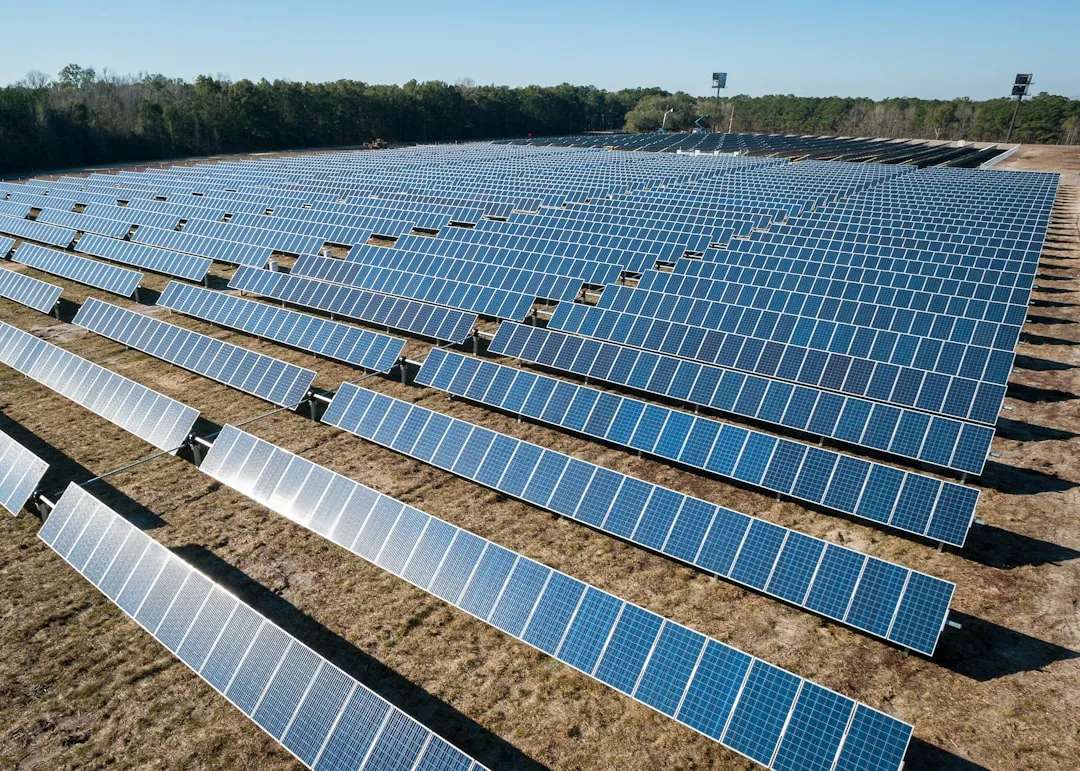
These design strategies help reduce the need for artificial heating and cooling, resulting in lower energy usage and operational costs for buildings. In addition to design principles, green real estate also incorporates advanced technologies such as smart thermostats, solar panels, energy-efficient appliances, and building automation systems. These technologies help optimize energy usage, monitor building performance, and reduce overall energy consumption.
By integrating energy-efficient design and technology into real estate development, property owners can significantly reduce their carbon footprint while providing comfortable and cost-effective spaces for occupants.
Water Conservation and Management
Water conservation and management are critical aspects of sustainable and green real estate practices. These strategies focus on reducing water usage, minimizing water waste, and promoting efficient water management systems in buildings and communities. Examples of water conservation techniques include low-flow fixtures, rainwater harvesting systems, greywater recycling, drought-resistant landscaping, and water-efficient irrigation systems.
These strategies help reduce water consumption while preserving this valuable resource for future generations. In addition to conservation techniques, green real estate also incorporates advanced water management systems such as water-efficient appliances, leak detection systems, and smart irrigation controllers. These technologies help optimize water usage, minimize waste, and reduce overall water consumption in buildings.
By integrating water conservation and management strategies into real estate development, property owners can contribute to water sustainability while providing efficient and environmentally responsible spaces for occupants.
Sustainable Landscaping and Outdoor Spaces

Techniques for Sustainable Landscaping
Sustainable landscaping techniques include the use of native plant species, drought-resistant vegetation, permeable paving, rain gardens, green roofs, and natural stormwater management systems. These methods help reduce water consumption, minimize runoff, support local ecosystems, and create beautiful outdoor spaces for residents and visitors.
Outdoor Amenities for a Greener Lifestyle
In addition to sustainable landscaping techniques, green real estate also incorporates outdoor amenities that promote active lifestyles, community engagement, and connection with nature. These amenities include community gardens, bike storage facilities, outdoor fitness areas, and walking trails.
Creating Vibrant Communities
By integrating sustainable landscaping and outdoor spaces into real estate development, property owners can create thriving communities that prioritize environmental responsibility and quality of life for residents. This approach not only benefits the environment but also enhances the overall living experience for residents.
Certification and Recognition for Sustainable and Green Real Estate Practices
Certification and recognition programs play a crucial role in promoting sustainable and green real estate practices. These programs provide guidelines for environmentally responsible building practices and help developers and property owners demonstrate their commitment to sustainability. Examples of certification programs include LEED (Leadership in Energy and Environmental Design), BREEAM (Building Research Establishment Environmental Assessment Method), ENERGY STAR, Green Globes, and Passive House.
These programs evaluate buildings based on criteria such as energy efficiency, water conservation, indoor air quality, materials selection, and overall environmental impact. By achieving certification through these programs, developers can differentiate their properties in the market, attract environmentally conscious tenants or buyers, and potentially command higher rental rates or resale values. Additionally, certification programs provide a framework for continuous improvement in sustainable building practices by encouraging ongoing monitoring of building performance and environmental impact.
As the demand for sustainable real estate continues to grow, certification programs will play an increasingly important role in driving industry standards toward greater environmental responsibility. In conclusion, sustainable and green real estate practices offer numerous benefits for the environment, occupants, and property owners. By incorporating sustainable building materials, energy-efficient design principles, water conservation techniques, sustainable landscaping strategies, advanced technologies, and certification programs into real estate development, the industry can contribute to a more sustainable future while creating healthier and more efficient buildings for occupants.
As the demand for sustainable real estate continues to grow, it is essential for developers, builders, property managers, and investors to embrace these practices as a means of promoting environmental responsibility while maximizing economic returns.
If you are interested in learning more about the future of real estate, you should check out this article on real estate trends for 2024. It provides valuable insights into the factors that are likely to impact the industry in the coming years, including the growing importance of sustainable and green practices. This article is a great resource for anyone looking to stay ahead of the curve in the real estate market.
FAQs
What is sustainable and green real estate?
Sustainable and green real estate refers to properties that are designed, built, and operated in an environmentally responsible and resource-efficient manner. This includes using sustainable materials, energy-efficient systems, and incorporating green spaces.
What are some examples of sustainable and green real estate practices?
Examples of sustainable and green real estate practices include using renewable energy sources such as solar panels, incorporating energy-efficient appliances and lighting, utilizing sustainable building materials, implementing water-saving fixtures, and creating green spaces such as rooftop gardens or community parks.
Why is sustainable and green real estate important?
Sustainable and green real estate is important for reducing the environmental impact of buildings, conserving natural resources, improving indoor air quality, and promoting healthier and more efficient living and working spaces. It also helps to reduce operating costs and increase property value.
How can sustainable and green real estate practices benefit property owners?
Property owners can benefit from sustainable and green real estate practices by reducing energy and water consumption, lowering operating costs, attracting environmentally conscious tenants or buyers, and potentially increasing the resale value of their properties.
What are some certifications for sustainable and green real estate?
Certifications for sustainable and green real estate include LEED (Leadership in Energy and Environmental Design), ENERGY STAR, BREEAM (Building Research Establishment Environmental Assessment Method), and Green Globes. These certifications recognize buildings that meet specific sustainability and environmental performance criteria.