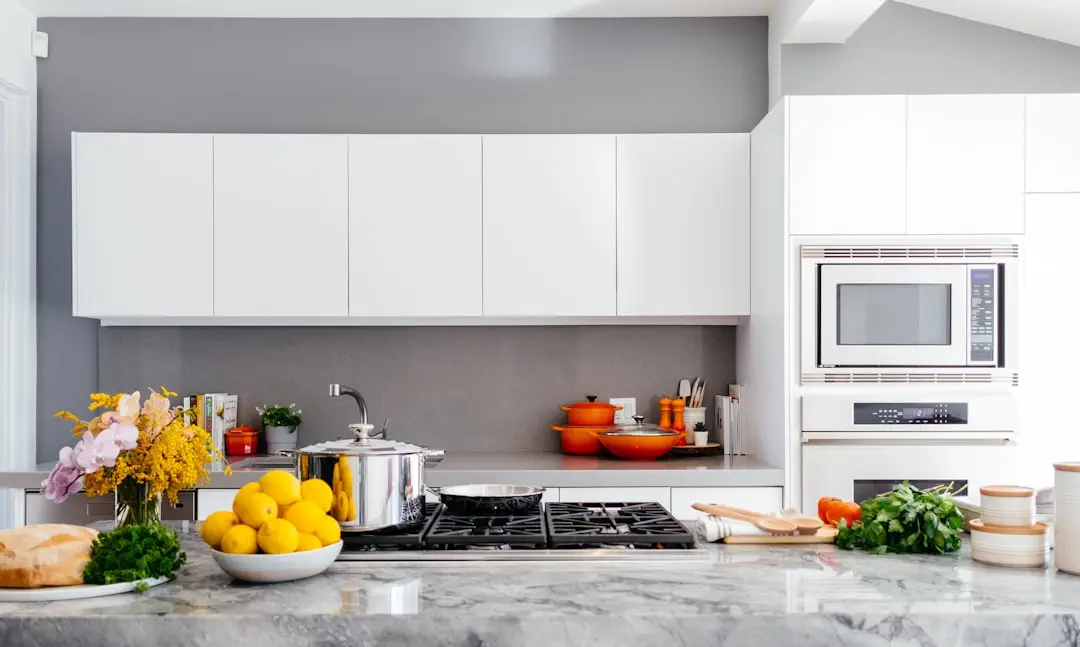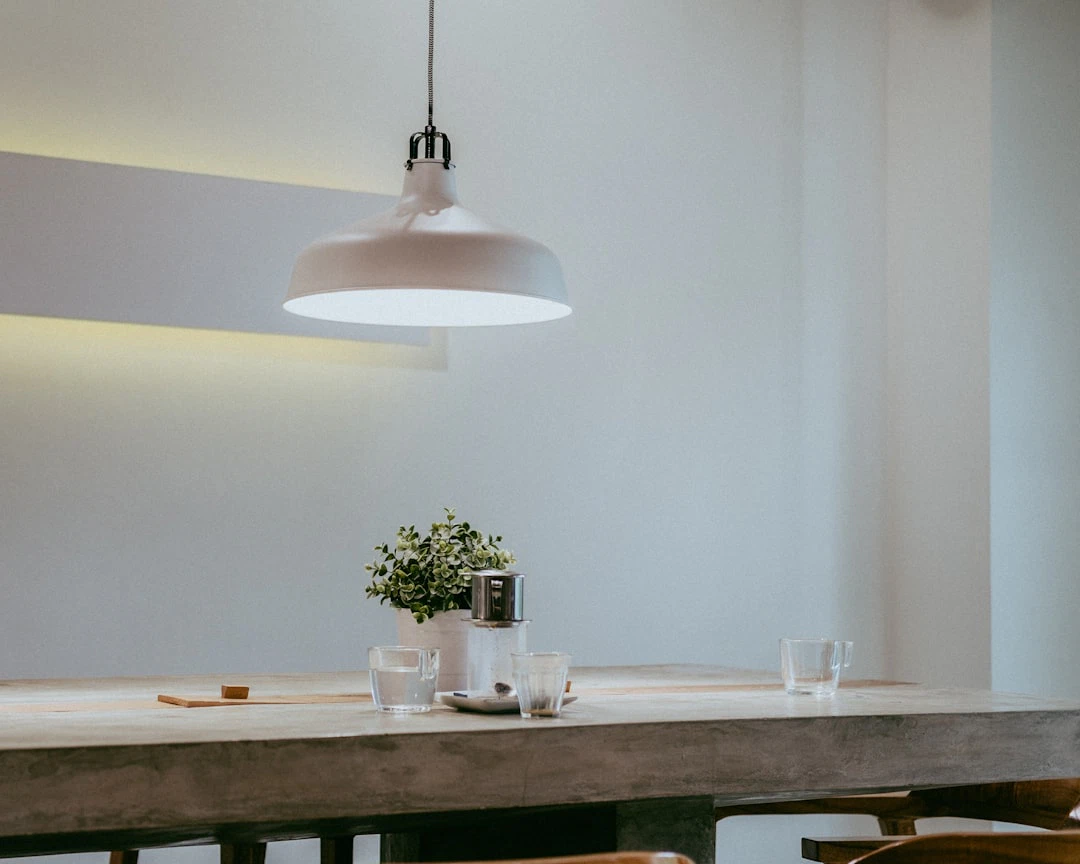
When designing a kitchen, it is essential to consider its dual purpose as both a functional workspace and a social hub. The kitchen serves as a central location for meal preparation and cooking, but it also functions as a gathering place for family and friends. This multifaceted role influences the design process, requiring a balance between efficiency and comfort.
The kitchen’s role as a workspace necessitates careful consideration of layout, appliance placement, and traffic flow. Efficient design ensures that the cook or cooks can move easily between different areas, such as the refrigerator, sink, and stove, without obstruction. This concept, known as the kitchen work triangle, is a fundamental principle in kitchen design.
Simultaneously, the kitchen’s social aspect must be addressed. This may involve incorporating features such as an island with seating, open shelving for displaying personal items, or a comfortable eating area. These elements contribute to creating an inviting atmosphere that encourages conversation and interaction.
By understanding and addressing both the functional and social aspects of the kitchen, designers can create a space that meets the diverse needs of its users. This approach results in a kitchen that is not only efficient for cooking and meal preparation but also welcoming and comfortable for socializing and creating lasting memories.
Key Takeaways
- Understanding the purpose of the space is essential for designing a functional and efficient kitchen.
- Maximizing storage and organization helps to keep the kitchen clutter-free and easy to navigate.
- Choosing durable and easy-to-clean materials ensures that the kitchen remains low-maintenance and long-lasting.
- Proper lighting is crucial for creating a well-lit and inviting atmosphere in the kitchen.
- Selecting functional fixtures and appliances can streamline tasks and improve overall efficiency in the kitchen.
Maximizing Storage and Organization:
Maximizing Storage
To maximize storage and organization, consider incorporating a variety of storage solutions such as cabinets, drawers, and pantry space. Utilize vertical space with tall cabinets or shelving units to make the most of the available space.
Organizing the Kitchen
In addition to ample storage, it’s important to consider organization within the kitchen. This can include things like drawer dividers, pull-out shelves, and spice racks to keep everything in its place and easily accessible.
Creating an Efficient Cooking Experience
By maximizing storage and organization in the kitchen, you can create a more efficient and enjoyable cooking experience.
Choosing Durable and Easy-to-Clean Materials:

When designing a kitchen, it’s important to choose materials that are not only aesthetically pleasing but also durable and easy to clean. The kitchen is a high-traffic area that is prone to spills, stains, and messes, so it’s important to choose materials that can withstand daily wear and tear. Consider materials such as quartz or granite countertops, which are both durable and easy to clean.
For flooring, options like tile or hardwood are both durable and easy to maintain. In addition to countertops and flooring, it’s important to consider the materials used for cabinets, backsplashes, and fixtures. Look for materials that are resistant to moisture, heat, and stains to ensure that your kitchen will stand up to daily use.
By choosing durable and easy-to-clean materials, you can create a kitchen that not only looks great but is also practical and functional.
Incorporating Proper Lighting:
Proper lighting is essential in any kitchen design. The kitchen is a workspace where tasks such as chopping, cooking, and cleaning require good visibility. In addition to task lighting, it’s important to consider ambient lighting to create a warm and inviting atmosphere in the space.
This can be achieved through the use of pendant lights, recessed lighting, or under-cabinet lighting. Natural light is also an important consideration in kitchen design. If possible, maximize natural light by incorporating large windows or skylights into the space.
Natural light not only brightens up the room but also creates a connection to the outdoors, making the kitchen feel more open and inviting. By incorporating proper lighting into your kitchen design, you can create a space that is both functional and welcoming.
Selecting Functional Fixtures and Appliances:
Choosing the right fixtures and appliances is crucial in creating a functional and efficient kitchen. When selecting fixtures such as faucets and sinks, consider options that are not only stylish but also practical and easy to use. Look for features such as pull-down sprayer faucets and deep, single-basin sinks to make meal preparation and clean-up easier.
When it comes to appliances, consider your cooking habits and lifestyle to determine which ones are essential for your kitchen. For example, if you love to bake, a double oven or convection oven may be important to you. If you entertain frequently, a large refrigerator or wine cooler may be a priority.
By selecting fixtures and appliances that are both functional and tailored to your needs, you can create a kitchen that works for you.
Considering Traffic Flow and Work Zones:
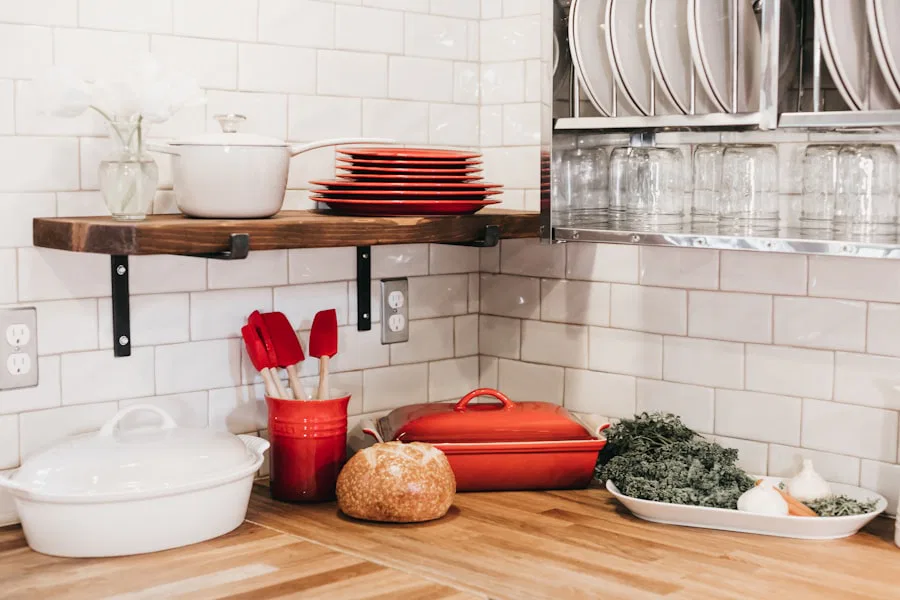
The Kitchen Work Triangle Concept
This concept suggests that the three main work areas – the sink, the stove, and the refrigerator – should form a triangle with no more than 9 feet between each point.
Additional Factors to Consider
In addition to the work triangle, it’s important to consider other factors that can affect traffic flow in the kitchen, such as doorways, islands, and seating areas.
Optimizing Traffic Flow and Work Zones
By carefully planning the layout of your kitchen to optimize traffic flow and work zones, you can create a space that is both functional and comfortable to use.
Adding Personal Touches and Style:
Finally, when designing a kitchen, it’s important to add personal touches and style to make the space feel like home. Consider incorporating elements that reflect your personal taste and lifestyle, such as artwork, decorative accessories, or unique finishes. This can help create a kitchen that feels warm and inviting while also showcasing your individuality.
In addition to personal touches, consider incorporating elements of style into your kitchen design. This can include things like choosing a color scheme that reflects your personality or incorporating trendy design elements such as open shelving or statement lighting fixtures. By adding personal touches and style to your kitchen design, you can create a space that is not only functional but also reflects your unique taste and personality.
In conclusion, designing a kitchen involves careful consideration of its purpose as both a social hub and a functional workspace. Maximizing storage and organization, choosing durable materials, incorporating proper lighting, selecting functional fixtures and appliances, considering traffic flow and work zones, and adding personal touches are all essential elements in creating a well-designed kitchen. By paying attention to these key factors, you can create a kitchen that is not only beautiful but also practical and tailored to your individual needs and lifestyle.
If you’re interested in creating functional spaces in your home, you may also want to consider the landscape of luxury real estate for 2024. This article from The Home Material discusses the trends and developments in luxury real estate that could impact the design and functionality of your own living spaces. Understanding the broader landscape of real estate can provide valuable insights for creating functional and stylish kitchen and bathroom designs.