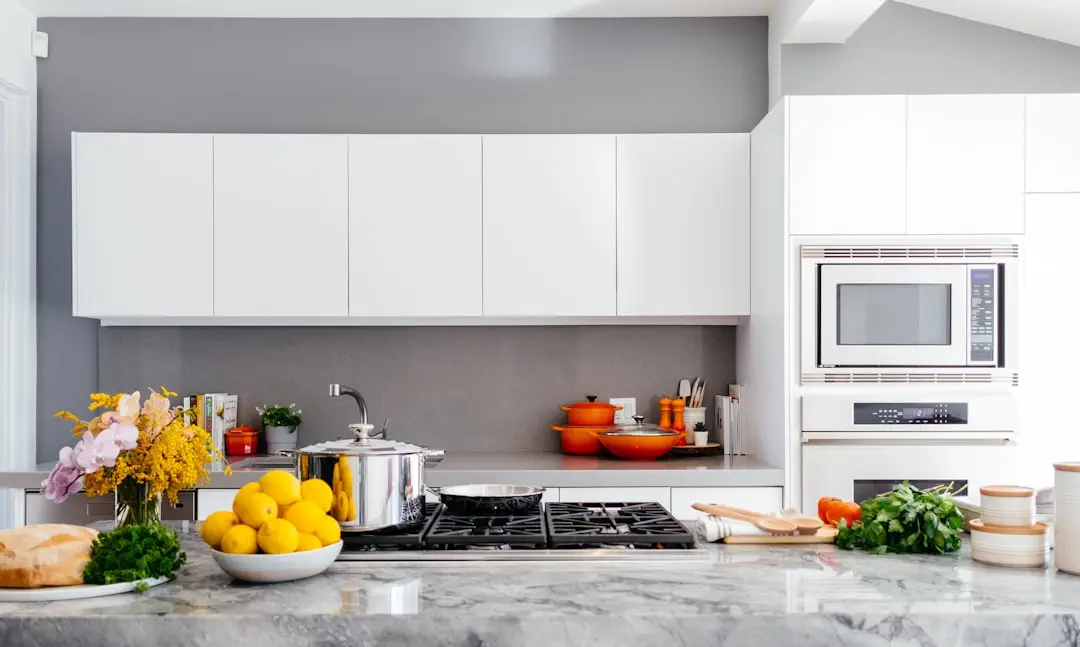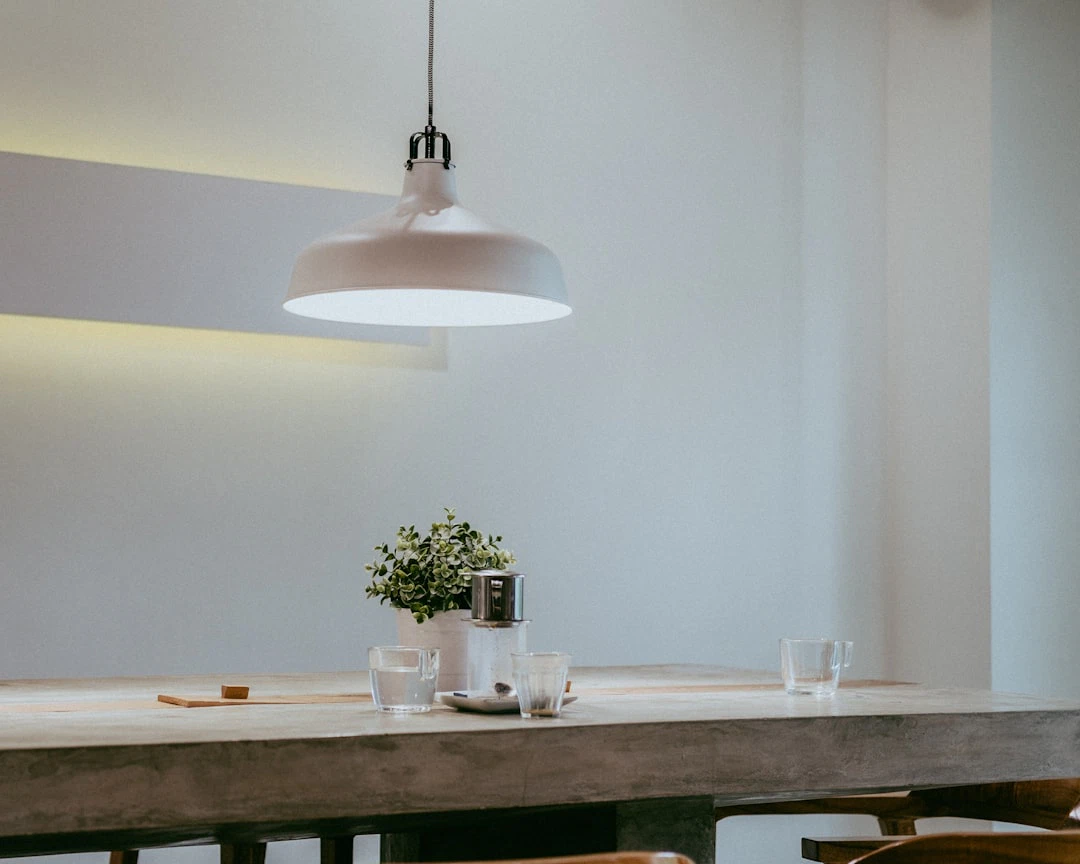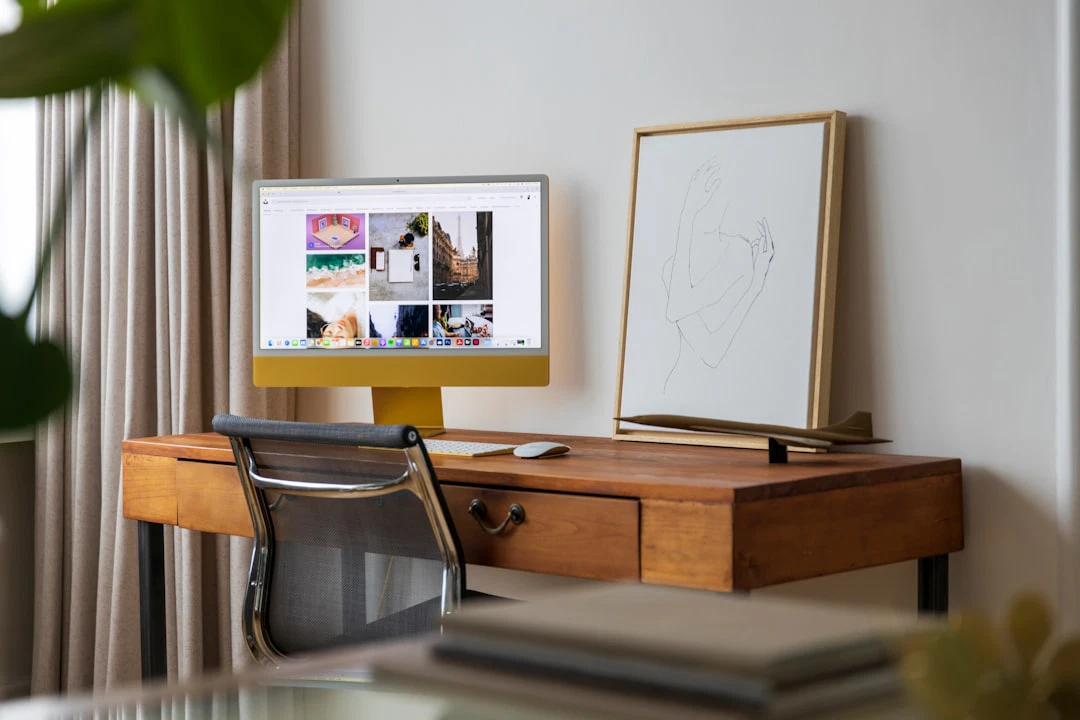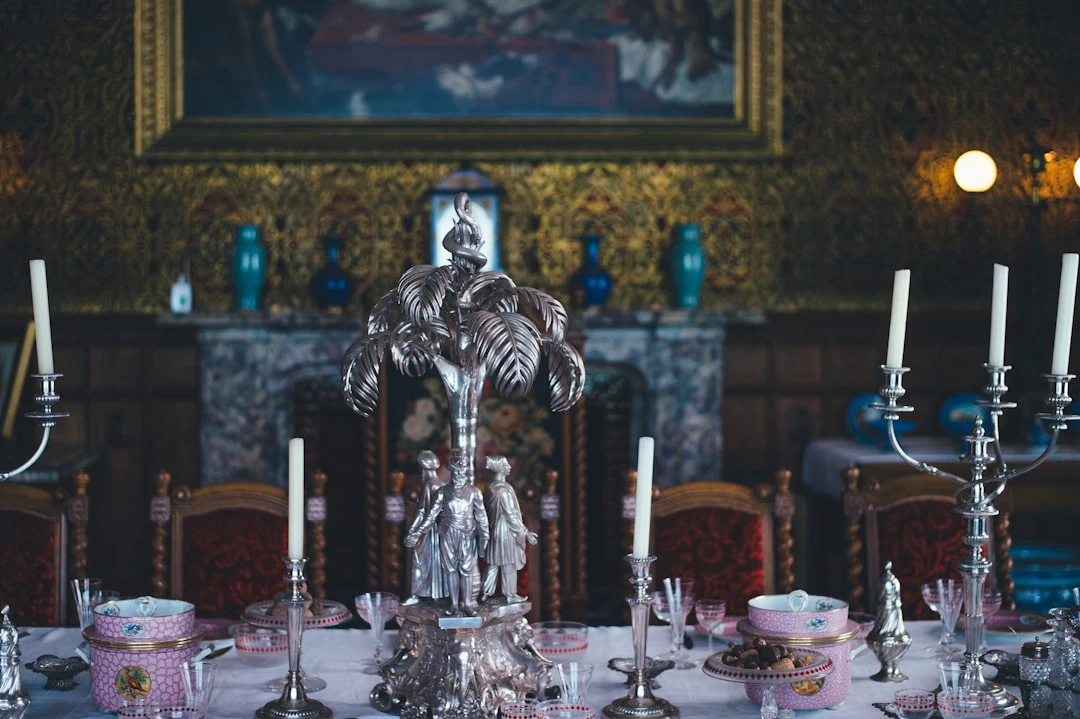
Color psychology is the scientific study of how colors influence human behavior, emotions, and mental states. This field of research examines the impact of various hues on psychological functioning and decision-making processes. In interior design, color psychology plays a crucial role in creating specific atmospheres and eliciting desired emotional responses within spaces.
Warm colors, such as red, orange, and yellow, are typically associated with energy, warmth, and comfort. These hues are often employed in living rooms and dining areas to foster a lively and welcoming environment. Conversely, cool colors like blue, green, and purple are linked to calmness, relaxation, and tranquility, making them suitable choices for bedrooms and home offices where a sense of serenity is desired.
The intensity and saturation of colors also contribute to their psychological effects. Bright, vibrant colors tend to be stimulating and energizing, while softer, muted tones are generally perceived as soothing and calming. By understanding these principles, homeowners can make informed decisions when selecting color schemes for their living spaces, tailoring each room’s atmosphere to its intended function and desired mood.
Cultural and personal associations play significant roles in color psychology. Different cultures may attribute varying meanings and symbolism to certain colors, necessitating consideration of cultural context in interior design choices. Additionally, individual experiences and memories can shape personal color preferences and associations.
For instance, a person who grew up near the ocean may have positive connotations with blue, while another individual might have negative associations with a particular color due to past experiences. By taking into account the principles of color psychology, cultural factors, and personal preferences, homeowners can create living spaces that promote well-being, comfort, and resonate with their unique experiences and tastes.
Key Takeaways
- Color psychology plays a significant role in influencing emotions and behaviors.
- Different colors evoke different feelings and can impact the mood of a room.
- Choose colors for each room based on the desired atmosphere and function of the space.
- Use color to define and separate different areas within an open floor plan.
- Balance bold and neutral colors to create a cohesive and visually appealing space.
Choosing the Right Colors for Each Room
Considering the Room’s Function and Mood
When it comes to selecting colors for each room in your home, it’s essential to think about the space’s purpose and the desired atmosphere. For instance, in the bedroom, where relaxation and tranquility are crucial, calming and soothing colors like soft blues, greens, or lavenders are ideal. These colors can create a peaceful environment that promotes restful sleep and relaxation.
Factoring in Natural Light and Room Size
Another vital consideration is the amount of natural light each room receives. Rooms that receive plenty of natural light can handle darker or more intense colors, while rooms with limited natural light benefit from lighter and brighter colors to create a sense of openness and airiness. Additionally, the room’s size plays a significant role in color selection. In smaller rooms, lighter colors can create the illusion of space, making the room feel more open and airy. In contrast, darker colors can add coziness and intimacy to larger rooms.
Coordinating with Existing Decor and Furnishings
It’s also crucial to consider the existing decor and furnishings in each room when choosing colors. The color scheme should complement the furniture, artwork, and decor in the space to create a cohesive and harmonious look. By taking into account the room’s function, natural light, size, and existing decor, homeowners can make informed decisions when selecting the right colors for each room in their home.
Creating a Mood with Color

Color has the power to influence mood and emotion, making it a powerful tool for creating specific atmospheres within a home. By strategically using color, homeowners can evoke different moods and set the tone for each room. For example, using warm and vibrant colors like reds, oranges, and yellows can create a sense of energy and excitement in a space.
These colors are great for areas where socializing and entertaining take place, such as living rooms or dining areas. On the other hand, cool and calming colors like blues, greens, and purples can promote relaxation and tranquility. These colors are ideal for bedrooms or meditation spaces where peace and serenity are desired.
In addition to individual colors, color combinations can also be used to create specific moods within a space. Complementary color schemes, which consist of colors that are opposite each other on the color wheel (e.g., blue and orange), can create a dynamic and vibrant atmosphere. Analogous color schemes, which consist of colors that are next to each other on the color wheel (e.g., blue and green), can create a harmonious and soothing atmosphere.
By understanding how different color combinations can impact mood and atmosphere, homeowners can use color to create spaces that reflect their desired ambiance. Furthermore, the use of accent colors can also play a role in creating mood within a space. By incorporating pops of bold or contrasting colors into a predominantly neutral color scheme, homeowners can add visual interest and create focal points within a room.
For example, adding a few vibrant throw pillows or a bold piece of artwork to an otherwise neutral living room can inject energy and personality into the space. By strategically using color to create specific moods within each room, homeowners can design spaces that cater to their lifestyle and preferences.
Using Color to Define Spaces
Color can be used as a powerful tool to define different areas within an open-concept living space. By using different colors on the walls or through furniture and decor, homeowners can visually separate distinct areas within a larger room. For example, using a darker or more intense color on one wall of a living room can help define a cozy seating area or reading nook within the larger space.
This technique can create a sense of intimacy and delineate different functions within an open-concept layout. Another way to use color to define spaces is through the use of area rugs or furniture upholstery in different colors. By using rugs or furniture in contrasting colors or patterns, homeowners can visually separate different areas within a room without the need for physical barriers.
For example, using a bold area rug under a dining table can help define the dining area within an open-concept living space. This technique allows for visual separation while maintaining an open and cohesive feel within the larger room. Additionally, using different shades of the same color throughout an open-concept space can create a sense of continuity while still defining distinct areas.
For example, using varying shades of blue throughout a living room and dining area can create a cohesive look while visually separating the two spaces. By using color to define spaces within an open-concept layout, homeowners can create a sense of organization and purpose within their home while maintaining an open and airy feel.
Incorporating Color in Furniture and Decor
In addition to using color on walls and floors, incorporating color through furniture and decor is another effective way to add personality and style to a home. When choosing furniture pieces, homeowners can opt for pieces in bold or vibrant colors to make a statement in a room. For example, a bright red sofa or a colorful accent chair can add visual interest and personality to a living room or den.
Additionally, incorporating colorful throw pillows, blankets, or curtains can add pops of color to neutral furniture pieces and create a cohesive look throughout a room. Artwork is another great way to incorporate color into a space. A large piece of artwork with vibrant hues can serve as a focal point in a room and set the tone for the overall color scheme.
Additionally, smaller pieces of artwork in coordinating colors can be grouped together to create visual interest on a wall. By incorporating colorful artwork into a space, homeowners can add personality and style while tying together different elements within a room. Furthermore, incorporating colorful decor accessories such as vases, candles, or decorative objects can add layers of color and texture to a room.
These smaller decor items allow homeowners to experiment with different color combinations without committing to permanent changes. By incorporating colorful furniture pieces, artwork, and decor accessories into their homes, homeowners can infuse their spaces with personality and style while creating cohesive and visually appealing interiors.
Balancing Bold and Neutral Colors
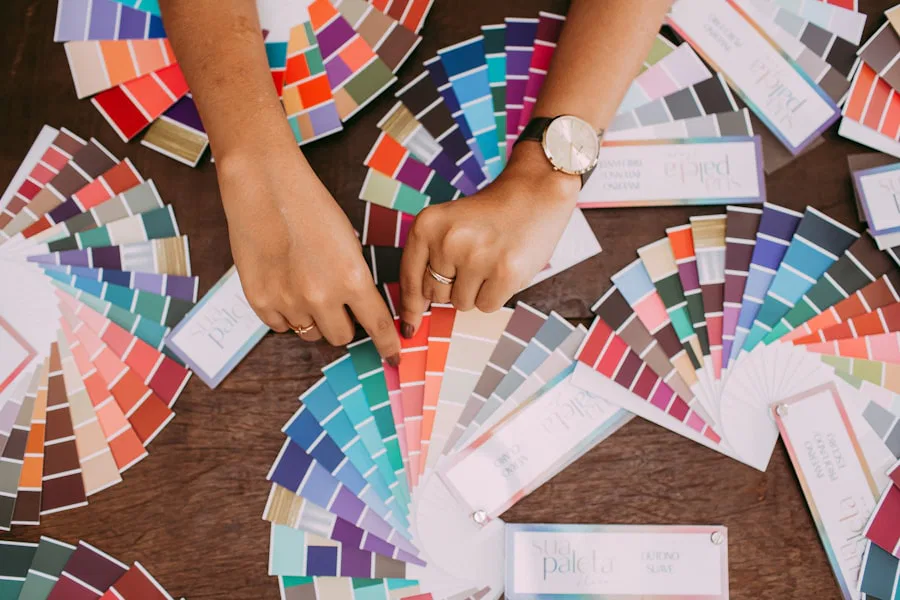
When incorporating bold colors into interior design, it’s important to strike a balance between bold hues and neutral tones to create a cohesive look. Bold colors can add energy and personality to a space, but using them in excess can overwhelm the senses. One way to achieve balance is by using bold colors as accents against a backdrop of neutral tones.
For example, pairing a bold red accent wall with neutral furniture pieces and decor allows the bold color to stand out without overpowering the room. Another way to balance bold and neutral colors is by using different shades of the same bold color throughout a space. For example, if you love the color blue but want to avoid an overwhelming look, you can use varying shades of blue on walls, furniture pieces, and decor accessories to create depth and visual interest without being too overpowering.
This technique allows for the incorporation of bold colors while maintaining a sense of harmony within a room. Additionally, incorporating texture through materials like wood, metal, or fabric can help balance bold colors with neutral tones. Textured materials add depth and visual interest to a space while providing contrast against bold hues.
For example, pairing a bold red accent wall with natural wood furniture pieces creates a balanced look that is visually appealing and harmonious.
Experimenting with Color Combinations
Experimenting with different color combinations is an exciting way for homeowners to express their creativity and personal style in interior design. While some may prefer monochromatic color schemes that use varying shades of one color for a cohesive look, others may enjoy experimenting with complementary or analogous color schemes for more dynamic results. Complementary color schemes consist of colors that are opposite each other on the color wheel (e.g., blue and orange), creating high contrast and visual impact when used together.
This type of color scheme is great for homeowners who want to make a bold statement in their interiors. On the other hand, analogous color schemes consist of colors that are next to each other on the color wheel (e.g., blue and green), creating a harmonious and soothing effect when used together. This type of color scheme is ideal for homeowners who prefer a more subtle yet cohesive look in their interiors.
In addition to traditional color combinations, homeowners can also experiment with unexpected pairings that reflect their unique style and personality. Mixing warm and cool tones or combining contrasting textures can add depth and interest to a space while showcasing individuality in interior design. Ultimately, experimenting with different color combinations allows homeowners to create interiors that reflect their personal tastes while adding visual interest and depth to their living spaces.
In conclusion, understanding color psychology is essential when choosing colors for interior design as it helps evoke specific emotions and moods within each room. By considering factors such as natural light, room size, existing decor, cultural associations, personal preferences, homeowners can make informed decisions when selecting colors for their homes. Furthermore, using color strategically allows homeowners to define spaces within open-concept layouts while creating specific atmospheres that cater to their lifestyle.
Incorporating color through furniture pieces, artwork, decor accessories adds personality while balancing bold hues with neutral tones creates cohesive interiors that are visually appealing. Finally experimenting with different color combinations allows homeowners to express their creativity while adding depth and interest to their living spaces.
If you’re interested in learning more about creating a harmonious living environment, you may also want to check out this article on the best qualities of a good neighborhood. Understanding what makes a neighborhood desirable can help you make informed decisions when choosing a place to live. https://thehomematerial.com/best-qualities-of-a-good-neighborhood/